
Propagation7 min read
How to Clean Pruning Snips Between Houseplants
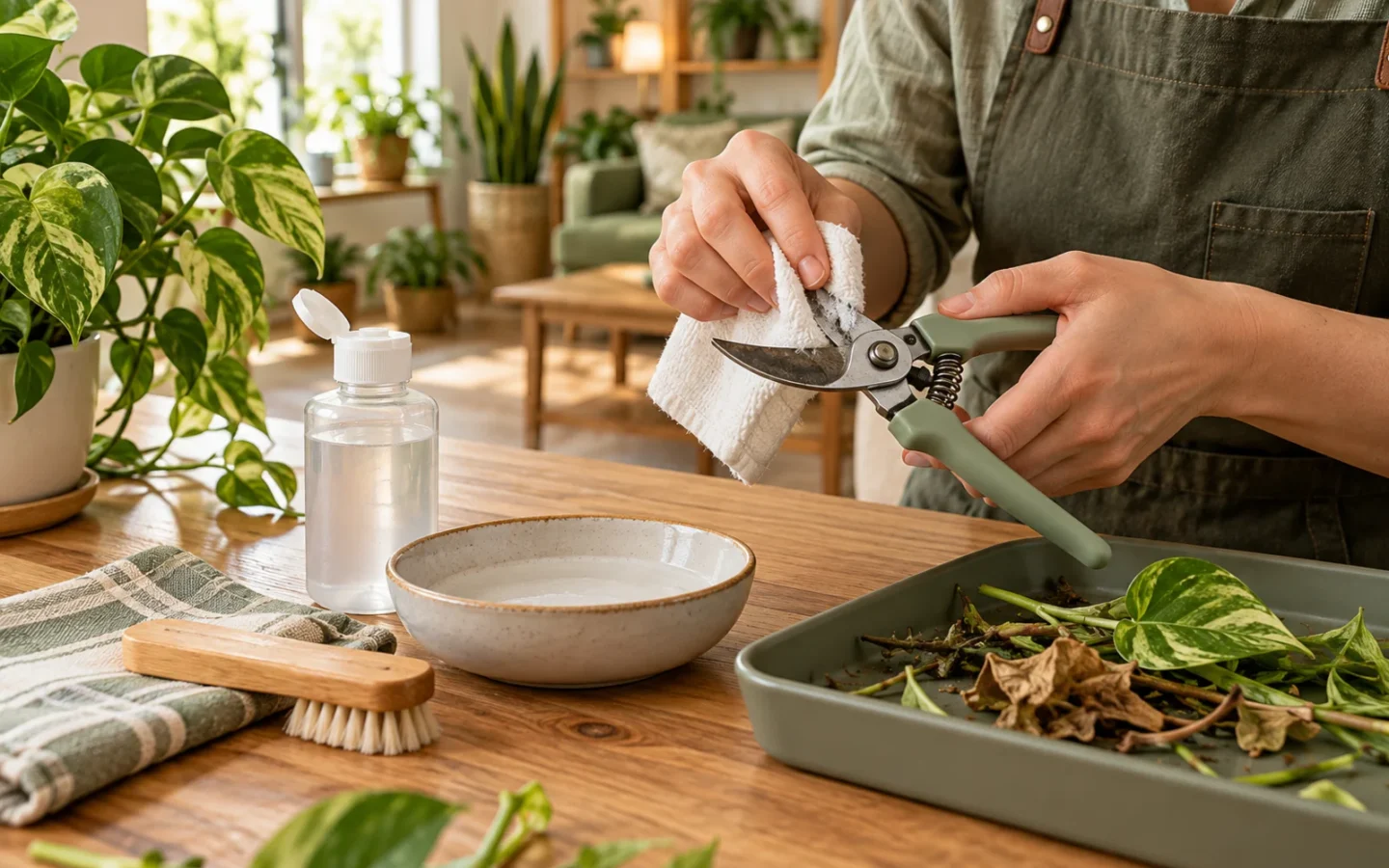
Remove sap and debris, use an appropriate disinfecting method, protect the pivot, and keep sharp blades from turning a clean cut into crushed tissue.
10 stories
Shelving7 min read
Use a controllable long spout, clear a sightline to the medium, water in measured passes, and empty drainage instead of threading a heavy can blindly.
Grow Lights7 min read
Map each shelf, mount to rated structure, route cords with drip loops, and treat daisy-chain limits and driver heat as design constraints.
Pots7 min read
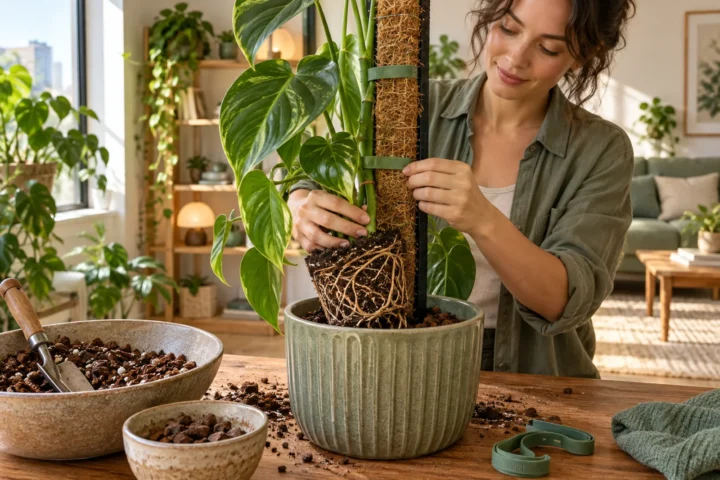
Plan support before repotting, choose a stable base, guide stems with soft ties, and distinguish a decorative stake from a moist rooting surface.
Moisture Meters7 min read
Traps monitor and reduce flying adults; they do not remove larvae from moist organic media or correct the watering conditions that support them.
Shelving7 min read
Place the sensor near the plant zone, compare rooms and time periods, verify suspicious readings, and respond to plant-specific conditions.
Pots7 min read
Confirm root congestion, choose a modest diameter increase, preserve suitable root structure, and match the new mix to the plant and watering routine.
Moisture Meters7 min read
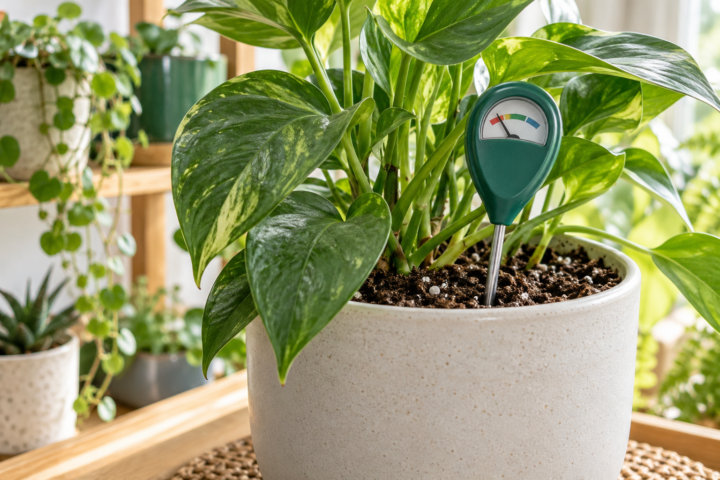
Treat a probe as one local reading, then combine it with pot weight, drainage, root zone, plant response, and the known behavior of the medium.
Propagation7 min read
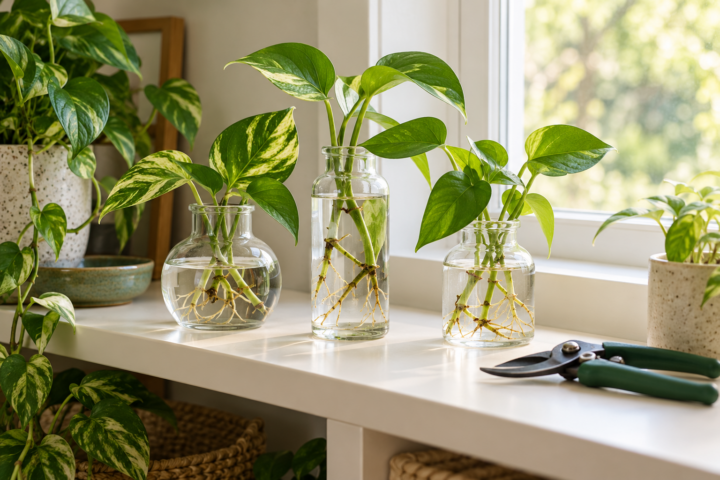
Separate clean cuttings, used water, labels, and tools so a small propagation shelf does not become a crowded reservoir of rot and confusion.
Grow Lights7 min read
Map the usable footprint, observe plant response, and change height or duration one variable at a time instead of chasing a universal distance.